







Korean culture and language are like a delightful K-drama: captivating, full of twists, and guaranteed to keep you on the edge of your seat. From mouthwatering kimchi to the hypnotic beats of K-pop, South Korea’s vibrant culture is a feast for the senses. It’s a world where ancient traditions meet cutting-edge technology, and the language is as melodic as a love song.
Overview of Korean Culture and Language
Korean culture reflects a harmonious blend of tradition and modernity. Rich history influences numerous customs, such as celebrating Chuseok, a harvest festival highlighting family bonds. Traditional attire, known as hanbok, showcases vibrant colors and unique designs, often worn during significant events.
Cuisine plays a vital role within the culture. Kimchi, a staple dish made from fermented vegetables, exemplifies the importance of flavor and nutrition in Korean cooking. Street food, like tteokbokki and hotteok, offers a glimpse into everyday life, with food stalls bustling in urban areas.
Language also showcases unique characteristics. Korean, or Hangul, is known for its systematic writing system, developed in the 15th century. The phonetic nature of the script aids in learning pronunciation efficiently. Additionally, the language’s honorifics reflect the importance of hierarchy and respect in social interactions.
Music and art serve as essential expressions of cultural identity. K-pop’s global popularity highlights the fusion of traditional elements with contemporary styles. Artists often incorporate traditional instruments and themes into their performances, enriching the music scene.
Festivals and celebrations also play an integral role. The Lunar New Year, or Seollal, involves family gatherings, traditional games, and special meals. Participation in such events fosters a sense of community and connection to cultural roots.
Education and technology intersect in modern Korean culture. The nation invests heavily in education, contributing to high literacy rates and advanced technological innovations. This focus strengthens the global presence of Korea in various sectors.
Each aspect of Korean culture and language encapsulates its diverse and evolving nature, establishing a dynamic identity recognized worldwide.
Historical Context
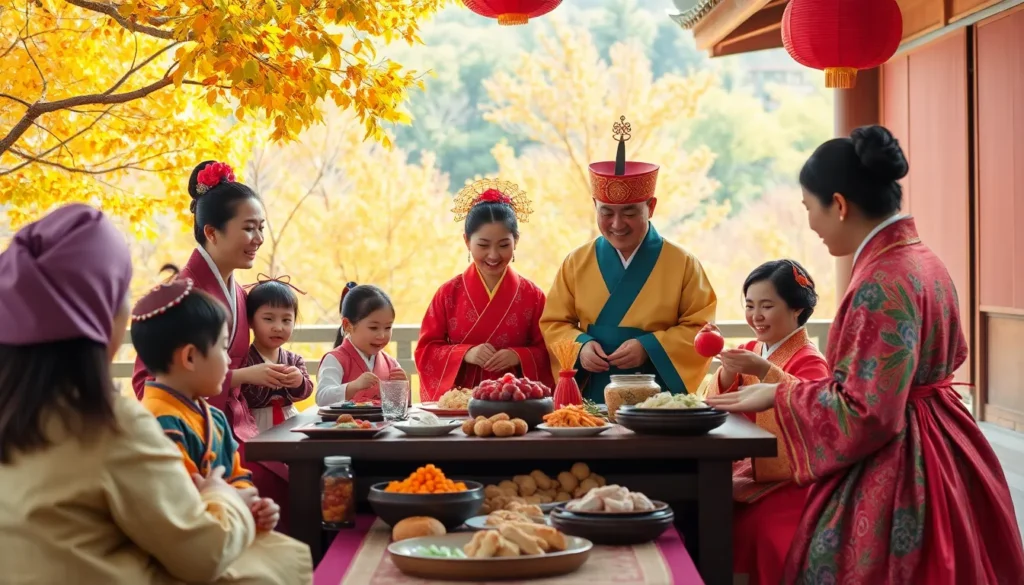
Korean culture and language possess a deep historical foundation that reflects centuries of development. This context enhances understanding of contemporary practices and linguistic features.
Evolution of the Korean Language
The Korean language, known as Hangul, emerged in the 15th century under King Sejong the Great. He sought to create a simple and effective writing system accessible to all. Prior to Hangul, Classical Chinese characters dominated written communication. Adoption of Hangul marked a significant shift towards promoting literacy among the general population. Modern Korean has since evolved, embracing influences from various languages due to globalization. Adaptations in vocabulary reflect efforts to modernize while preserving cultural identity.
Influences on Korean Culture
Korean culture showcases a variety of influences, including Confucianism, Buddhism, and indigenous beliefs. Confucian values emphasize respect for family and education, shaping societal norms. Cultural practices such as Chuseok and Seollal stem from agricultural traditions and ancestral worship. Western influences became more prominent during the late 19th and 20th centuries, especially in fashion, music, and cinema. K-pop embodies this fusion, blending traditional Korean music with modern genres. Globalization further enriches Korean culture, introducing international elements while maintaining distinct Korean characteristics.
Key Aspects of Korean Culture
Korean culture thrives on a deep-rooted heritage and dynamic modern influences. Traditional customs interact seamlessly with contemporary trends, creating a vibrant cultural landscape.
Traditional Customs and Practices
Celebrations like Chuseok highlight the importance of family and gratitude. Harvest festivals involve feasting on special foods, including freshly made rice cakes. Wearing hanbok during such occasions adds color and elegance, symbolizing national pride. Rituals emphasize respect for ancestors, fostering a strong sense of heritage. Traditional tea ceremonies also showcase the artistry involved in Korean hospitality. Festivities often include games that unite family members, reinforcing community bonds.
Modern Cultural Trends
K-pop exemplifies South Korea’s youthful and innovative spirit, captivating global audiences. The fusion of traditional sounds with contemporary musical styles showcases cultural evolution. Trends in fashion continuously emerge, reflecting a blend of historical influences and modern styles. Social media plays a critical role in shaping cultural perceptions, creating platforms for worldwide sharing. Contemporary art exhibits explore new themes while honoring traditional techniques. Entertainment and technology converge, influencing lifestyle choices and communication practices among the youth.
Learning the Korean Language
Learning Korean opens doors to understanding a unique culture. The language’s systematic structure makes it accessible for many learners.
Resources for Language Acquisition
Numerous resources assist in mastering Korean. Language apps like Duolingo and Memrise offer interactive learning experiences. Online courses from platforms such as Coursera and Talk To Me In Korean provide comprehensive lesson plans. Students appreciate textbooks, particularly Integrated Korean, for their depth. Additionally, language exchange groups on social media connect learners with native speakers, facilitating practical conversation skills. Video platforms like YouTube feature channels dedicated to lessons, helping improve pronunciation and understanding of cultural context.
Challenges and Rewards of Learning Korean
Learning Korean presents distinct challenges and rewards. Complex grammar structures require focused study to grasp fully. Honorifics add levels of difficulty, as they emphasize social hierarchy. Despite these hurdles, mastering Hangul brings a sense of accomplishment. Communicating with locals enhances travel experiences and builds connections with Korean culture. Gaining fluency unlocks access to K-drama and K-pop in their original form, enriching enjoyment of these artistic expressions. Ultimately, the journey of learning Korean fosters personal growth and cultural appreciation.
The Global Impact of Korean Culture
Korean culture enjoys a significant global impact, driven largely by its vibrant entertainment industry. K-pop groups like BTS and BLACKPINK have amassed millions of fans worldwide, influencing fashion and music trends across various cultures. Their popularity showcases the allure of Korean pop music, which blends traditional melodies with contemporary sounds.
K-dramas also contribute to the cultural phenomenon, with series like “Crash Landing on You” gaining astronomical viewership outside Korea. Such shows often incorporate rich cultural narratives, drawing international audiences to Korean customs and values. Their storytelling techniques not only entertain but also educate viewers about family ties, societal norms, and historical contexts.
Cuisine plays a crucial role in broadening the appeal of Korean culture. Dishes like bibimbap and bulgogi highlight unique flavors, while food festivals and cooking classes attract global interest. Street food culture, represented by fair favorites like tteokbokki and hotteok, offers an authentic taste of everyday life in Korea.
Language learning is another aspect that reflects the global influence of Korean culture. Hangul’s systematic design encourages learners to engage with it, opening doors to understanding cultural nuances. Language exchange platforms and apps further connect individuals, enhancing cross-cultural communication.
Social platforms amplify this cultural exchange. Fans share their experiences through social media, creating a dynamic community around Korean entertainment, fashion, and food. This online presence fosters connections and nurtures interest in Korean culture among diverse groups.
Cultural festivals held around the world celebrate Korean heritage, showcasing music, dance, and culinary arts. Events like K-Con gather loyal fans and curious newcomers alike, bridging cultural divides through shared experiences. As cultural boundaries blur, the essence of Korean identity resonates globally, cultivating an appreciation for its rich traditions and modern flair.
Korean culture and language embody a vibrant tapestry of tradition and modernity. The seamless blend of historical customs with contemporary influences creates a unique identity that resonates globally. From the infectious beats of K-pop to the rich flavors of kimchi, every aspect invites exploration and appreciation.
As more people engage with Korean culture, the language serves as a bridge to deeper understanding. Learning Hangul opens doors to meaningful connections and enhances experiences with K-dramas and music. This cultural phenomenon continues to grow, captivating audiences and fostering a sense of community worldwide.