







In today’s tech-savvy world, the idea of someone hacking your iPhone through a simple text message sounds like something out of a sci-fi movie. But let’s face it—cyber villains are real, and they’re always on the prowl, looking for their next unsuspecting victim. So, can a harmless “LOL” really be the gateway to your personal data? Spoiler alert: it might be more dangerous than you think.
As you scroll through your messages, it’s easy to forget that each text could carry hidden threats. From phishing attempts to malware links, the risks are lurking in the shadows. But don’t panic just yet! With the right knowledge and precautions, you can keep your iPhone safe from these digital gremlins. Buckle up as we dive into the wild world of text-based hacking and arm you with the tools to outsmart those pesky hackers.
Understanding iPhone Security
iPhone security combines advanced technology and user awareness. Apple implements multiple layers of security, including data encryption and regular software updates. These features greatly reduce the risk of unauthorized access.
Text messages pose unique security risks. Cybercriminals often use phishing tactics to trick users into revealing personal information. For example, a simple text that appears legitimate can contain a harmful link directing users to malicious sites.
Malware can spread through deceptive links in messages. Clicking these links might lead to the installation of harmful software. Users need to remain vigilant and verify the legitimacy of messages before interacting with them.
Two-factor authentication adds another layer of protection. This security measure requires users to verify their identity using a second device or method. Enabling this feature significantly enhances account security.
Staying informed about common cyber threats helps users recognize potential risks. Many phishing attempts mimic familiar contacts or services. Awareness of these tactics can prevent falling victim to scams.
Regularly updating iOS enhances device security. Updates often include critical patches that fix vulnerabilities. Keeping software current ensures the device remains protected against emerging threats.
Ultimately, maintaining iPhone security relies on a combination of built-in features and user vigilance. Understanding how hackers exploit communication methods empowers users to take appropriate precautions. Making informed choices when responding to messages minimizes risk.
Common Hacking Techniques
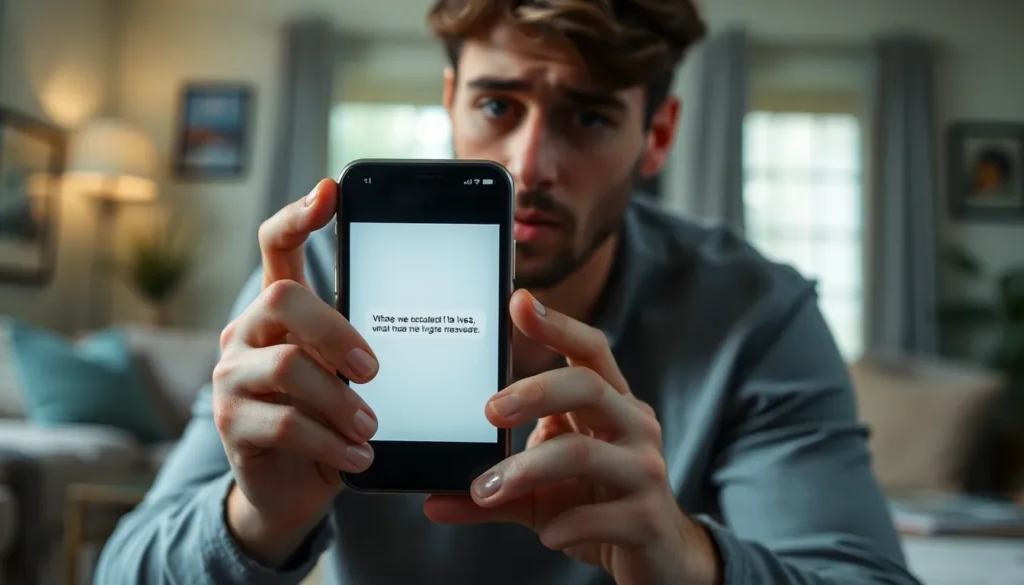
Cybercriminals employ various techniques to exploit vulnerabilities in mobile devices, especially through text messages. Awareness of these methods empowers users to better protect their iPhones.
Phishing Attacks
Phishing attacks utilize deceptive messages to trick users into providing sensitive information. Cybercriminals often pose as trusted contacts or reputable companies, sending messages containing urgent requests for personal data. Clicking on a link in such messages can redirect victims to fraudulent websites designed to gather login credentials. Users must carefully inspect message senders and avoid clicking unknown links. Staying alert to suspicious messages can significantly reduce the risk of falling victim to these schemes.
Malware Distribution
Malware distribution occurs when cybercriminals send malicious software disguised as legitimate links or attachments through text messages. Once downloaded, this software can compromise device data or provide remote access to attackers. Some messages may appear innocent, containing phrases like “check this out” or “free offer.” Recognizing these red flags can help users avoid potential infections. Keeping the iPhone’s operating system updated, along with using security features like app permissions, minimizes threats from malware.
How Text Messages Can Be Exploited
Text messages present unique vulnerabilities that cybercriminals exploit. Understanding these tactics helps users protect their devices.
SMS Spoofing
SMS spoofing occurs when attackers manipulate the sender’s information to mislead recipients. Spoofed messages may appear to come from familiar contacts or reputable sources, increasing the chances of users responding. These communications often solicit personal data or direct users to malicious websites. It’s vital to verify the identity of the sender, especially if a message contains suspicious requests or unusual language. By being cautious and scrutinizing unexpected texts, individuals can mitigate the risk of falling victim to spoofing attacks.
Link Manipulation
Link manipulation involves embedding harmful links within seemingly innocent messages. Cybercriminals often disguise these links to lead users to phishing sites or download malware. Users might receive a text claiming to offer discounts or other incentives, urging them to click on a link. Checking link previews and avoiding links from unknown senders can reduce risks. If a link looks suspicious, it’s essential to refrain from clicking. Strong awareness of link origins significantly enhances protection against deceptive tactics like link manipulation.
Signs That Your iPhone May Have Been Compromised
Recognizing signs of compromise is crucial for maintaining iPhone security. Prompt action can prevent further issues.
Unusual Activity
Unusual activity often indicates a compromised device. Users may notice unusual data usage, signs of unauthorized app access, or unexpected errors while using apps. Alerts for unfamiliar logins or changes in account settings often signal hacking attempts. They’ll also see strange accounts accessing their messages or social media. Frequent crashes or slow performance can also arise from unauthorized software running in the background. Cybercriminals frequently exploit these vulnerabilities, making users aware of their device’s performance essential for identifying potential threats.
Unexpected App Installs
Unexpected app installs raise significant red flags. If new applications appear without user consent, it’s likely that unauthorized access has occurred. Users should regularly check their app lists for unfamiliar entries. Removing these apps promptly can prevent further security breaches. Additionally, apps requesting excessive permissions might indicate malicious intent, often aimed at data theft. Assessing app permissions can safeguard personal information and increase overall device security. Recognizing these install patterns helps maintain the integrity of the iPhone.
Protecting Your iPhone from Text-Based Hacking
Users can take proactive steps to safeguard their iPhones against text-based hacking. Implementing security measures ensures a more secure digital experience.
Enable Two-Factor Authentication
Two-factor authentication adds an essential layer of security to user accounts. With this feature, access requires both a password and a secondary form of verification, such as a code sent via text or an authentication app. Cybercriminals find it more challenging to breach accounts protected by two-factor authentication. Enabling this feature in settings offers extra peace of mind, significantly reducing the chances of unauthorized access.
Be Cautious with Links
Caution is vital when encountering links in text messages from unknown sources. Everyday texts can disguise harmful links, leading to phishing sites or malware downloads. Users should examine links before clicking, checking for unexpected redirects or unusual URLs. Ignoring this practice can expose personal data to cybercriminals. Install apps that buffer against malicious content if unsure about a link’s safety. Prioritizing link scrutiny prevents falling victim to deceptive tactics, bolstering overall device security.
Staying vigilant against text-based hacking is essential for every iPhone user. By understanding the tactics used by cybercriminals and implementing robust security measures, individuals can significantly reduce their risk of falling victim to these threats. Regularly updating software, scrutinizing messages, and utilizing features like two-factor authentication are key steps in maintaining device security.
Awareness is the first line of defense. Users should remain cautious about unexpected texts and refrain from clicking on suspicious links. By prioritizing security and being proactive, iPhone users can enjoy their devices with greater peace of mind, knowing they’re equipped to handle potential threats.