







In a world where emojis often speak louder than words, teaching kids the art of language can feel like herding cats. But fear not! Language planning for kids isn’t just about memorizing vocabulary; it’s about unlocking a treasure trove of communication skills that’ll serve them for life. Imagine your child confidently expressing their thoughts and feelings instead of resorting to interpretive dance or wild hand gestures.
Overview Of Language Planning For Kids
Language planning for kids involves strategic approaches to enhance their communication abilities. This process emphasizes the importance of developing strong language skills during childhood, given the influences of modern communication trends. Establishing a foundation for effective language use prepares children for social interactions and academic success.
Fostering an environment rich in verbal engagement plays a crucial role. Children benefit from regular conversations, storytelling, and interactive reading sessions. These activities encourage them to articulate their thoughts clearly and build vocabulary.
Incorporating diverse linguistic experiences also enhances language planning. Exposure to different languages, dialects, and cultures enriches children’s understanding of language’s nuances. This variety fosters adaptability and critical thinking skills.
Creating structured language programs tailored to children’s needs proves beneficial. Customizing lessons to fit individual learning styles helps address varied challenges. Furthermore, using playful techniques, such as games and songs, keeps learning enjoyable and motivating.
Monitoring progress ensures that language development remains on track. Regular assessments allow caregivers and educators to identify areas of improvement. Providing feedback in a supportive manner encourages children to take risks in their language use.
Strengthening social skills goes hand-in-hand with language development. Encouraging group discussions and collaborative projects helps children practice their communication abilities in real-life situations.
Investing time in language planning contributes to long-term benefits. Children equipped with strong language skills often demonstrate better academic performance, improved self-esteem, and healthier relationships. Hence, effective language planning holds significant importance in shaping confident communicators for the future.
Importance Of Language Planning
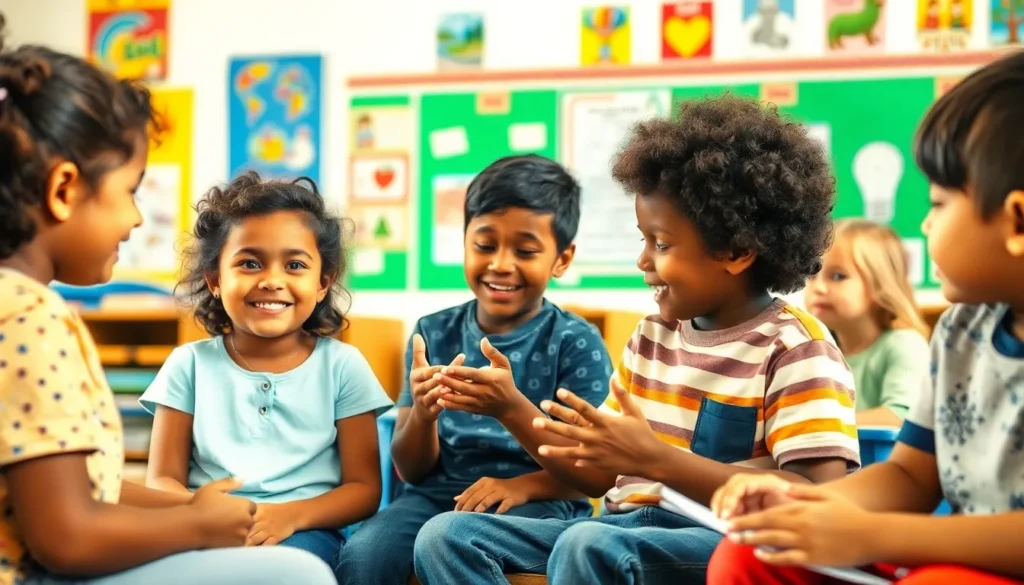
Language planning significantly impacts children’s development. Prioritizing effective language skills sets a foundation for various life aspects.
Cognitive Development
Cognitive development greatly benefits from language planning. Engaging in conversations enhances critical thinking and problem-solving abilities. Children exposed to rich verbal interactions demonstrate better memory retention and comprehension. Storytelling nurtures imagination, while interactive reading fosters analytical skills. Simply put, strong language foundations lead to heightened cognitive abilities, resulting in better overall academic performance.
Social Interaction
Social interaction thrives with proper language planning. Children learn to express emotions and share ideas, which fosters meaningful connections. Group discussions provide opportunities to practice listening, turn-taking, and cooperative communication. Collaborative projects enhance teamwork skills, making kids more adaptable in social settings. Encouraging open dialogue within diverse linguistic contexts boosts cultural awareness and empathy. Ultimately, developing strong language skills equips children to navigate social landscapes with confidence and ease.
Strategies For Effective Language Planning
Effective language planning for kids requires intentional strategies. Fostering a language-rich environment significantly enhances children’s communication skills.
Creating a Language-Rich Environment
Creating a language-rich environment involves surrounding children with diverse vocabulary. Regularly engage them in conversations, encouraging them to express their thoughts. Storytelling sessions allow children to experience narrative structures and develop imagination. Interactive reading sessions promote comprehension and critical engagement with texts. Using descriptive language during daily activities enhances vocabulary acquisition. Including songs and rhymes introduces rhythm and phonics, making language learning enjoyable. Each of these strategies contributes to building strong verbal skills essential for effective communication.
Incorporating Play-Based Learning
Incorporating play-based learning serves as a fun way to teach language skills. Role-playing activities encourage children to use language in various contexts. Through games, kids can practice vocabulary and sentence structure naturally. Playful interactions with peers foster social language use, enhancing conversational abilities. Utilizing educational toys that promote language development adds to the learning experience. Integrating music and movement keeps children engaged while reinforcing vocabulary. All these elements create a dynamic learning atmosphere that supports language growth.
Resources For Parents And Educators
Parents and educators can access a variety of resources to support effective language planning for children. Numerous options exist to enhance communication skills through engaging materials and tools.
Books And Educational Materials
Choosing the right books can significantly enrich a child’s language experience. Picture books with vibrant illustrations captivate younger audiences while introducing new vocabulary. Chapter books often engage older children and help expand comprehension skills. Educational workbooks focusing on grammar and vocabulary offer structured learning opportunities. Reading aloud encourages interaction and comprehension. Additionally, bilingual books provide exposure to multiple languages, fostering linguistic flexibility.
Online Tools And Apps
Utilizing online tools and apps presents interactive ways to enhance language skills. Programs like Duolingo offer language learning through gamified experiences. Websites such as ABCmouse provide comprehensive language and literacy activities tailored to different age groups. Interactive storytelling apps engage children in narrative creation while improving vocabulary. Flashcard apps, like Anki, enhance vocabulary retention through spaced repetition techniques. Social platforms designed for children promote language practice in a safe environment.
Effective language planning for kids lays the foundation for their future communication skills. By fostering a rich verbal environment and utilizing diverse strategies, children can develop their ability to express themselves confidently. Regular interactions and engaging activities not only enhance their language skills but also promote cognitive and social growth.
As parents and educators invest time in creating structured language experiences, they empower children to navigate social landscapes with ease. The benefits of this investment extend beyond academics, nurturing self-esteem and fostering meaningful relationships. Ultimately, prioritizing language development equips children to thrive in an increasingly complex world.